

|
||||
Math and Mariachi
- Mariachi music with pie fractions, measurement, and equivalency -
 |
|
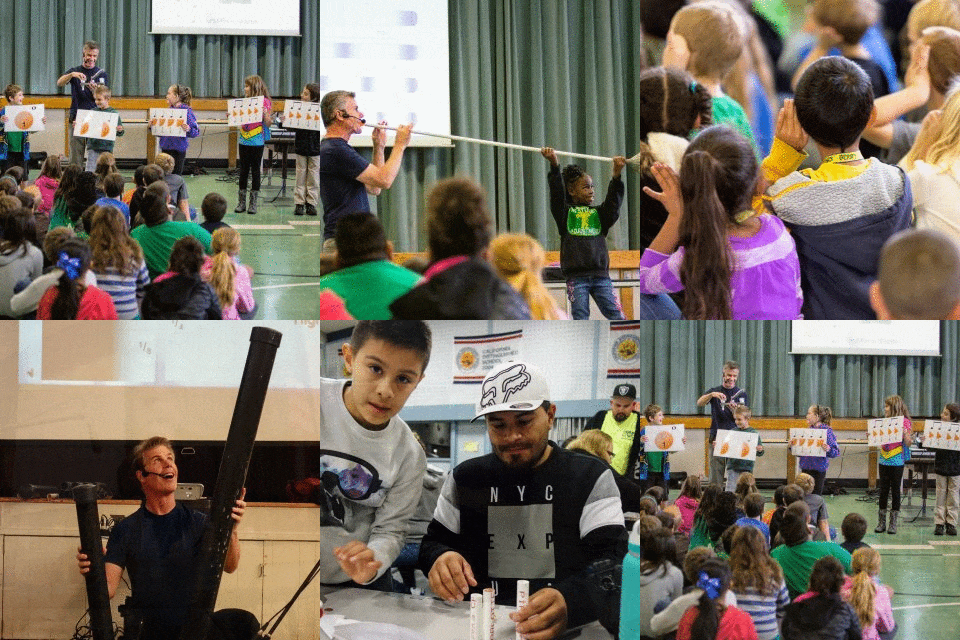
Phil shows how Mariachi rhythms are based on equivalent fractions. |
 ASSEMBLIES
– Math and Mariachi –
Enrich your students’ understanding of fractions, measurement,
and equivalency
with Phil’s fun-filled presentation on Math and Mariachi.
Your students will learn:
• how they can hear instruments vibrate in a series of fractions called the harmonic series;
• how they can measure fractions of length and liquid volume to build simple musical instruments from materials around the home; and
• how they can play musical rhythms based on equivalent fractions.
A highlight of this section is when Phil, using a kitchen faucet, leads the students in clapping an energetic sequence of musical fractions—from traditional Mariachi folk songs from Mexico, to popular selections by Los Lobos and Carlos Santana!
FAMILY ACTIVITY NIGHTS
– Musical Fractions Math Night –
Invite your families back to school for this fun-filled evening featuring
hands-on instrument making, and music from the Aztec and Inca empires!
Students learn how to count ancient Aztec rhythms using pie fractions, and design pan pipes with the fractions of length used by the Incas. Then they build their own pan pipes and soda can maracas, and join together for a dynamic concert of exciting rhythms and melodies from Central and South America!
In "Aztec Rhythms" your students participate in
an
Aztec percussion group and
perform musical phrases written in Nahuatl (pronounced naw-wa-tul) — the
language of the Aztecs. First, they learn how to clap rhythms using
pie fractions,
including a fun sequence of traditional Mariachi rhythms from
modern-day Mexico. After that, they are transported back to ancient
Mexico, where they learn how to count Aztec rhythms using syllables
in Nahuatl. Finally, they perform those rhythms with shakers and
drums in a cross curricular lesson on culture, language, math, and music! PRICING Family Activity/Community Engagement Nights - for one 2-hour
program:
Assembly/Family Night combinations are now $200
off. There is an additional travel charge for schools more than
1 hour from downtown Sacramento, California. ONLINE
ACTIVITIES
 IN-CLASS
WORKSHOPS
IN-CLASS
WORKSHOPS
– Aztec Rhythms –
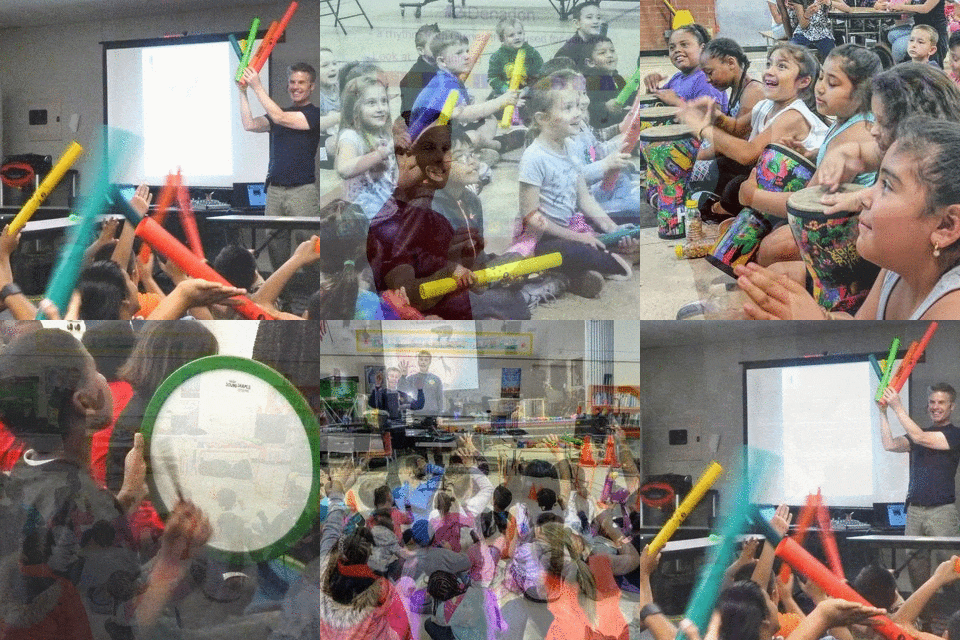
In-class workshops feature
engaging cultural content and interactive hands-on learning using drums,
shakers, and boomwhackers! They're fun and exciting, and they meet the
California state standards for language, math, and music — and best of all, Phil
brings enough musical instruments for everyone to participate!
Assemblies - for two 45-minute presentations within a 2-hour
timeframe:
The following multimedia activities relate to this program:

Aztec Drum Rhythms


Playing Fraction Pies

Hearing Fractions
Didgeritubes!

Melodic Tube
Drums

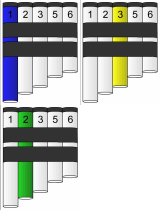
Pan pipes

Water Bottle Xylophone

Tubular Glockenspiel

Musical Fraction Tubes